Discovery of the baroque colonial architecture of Brazil
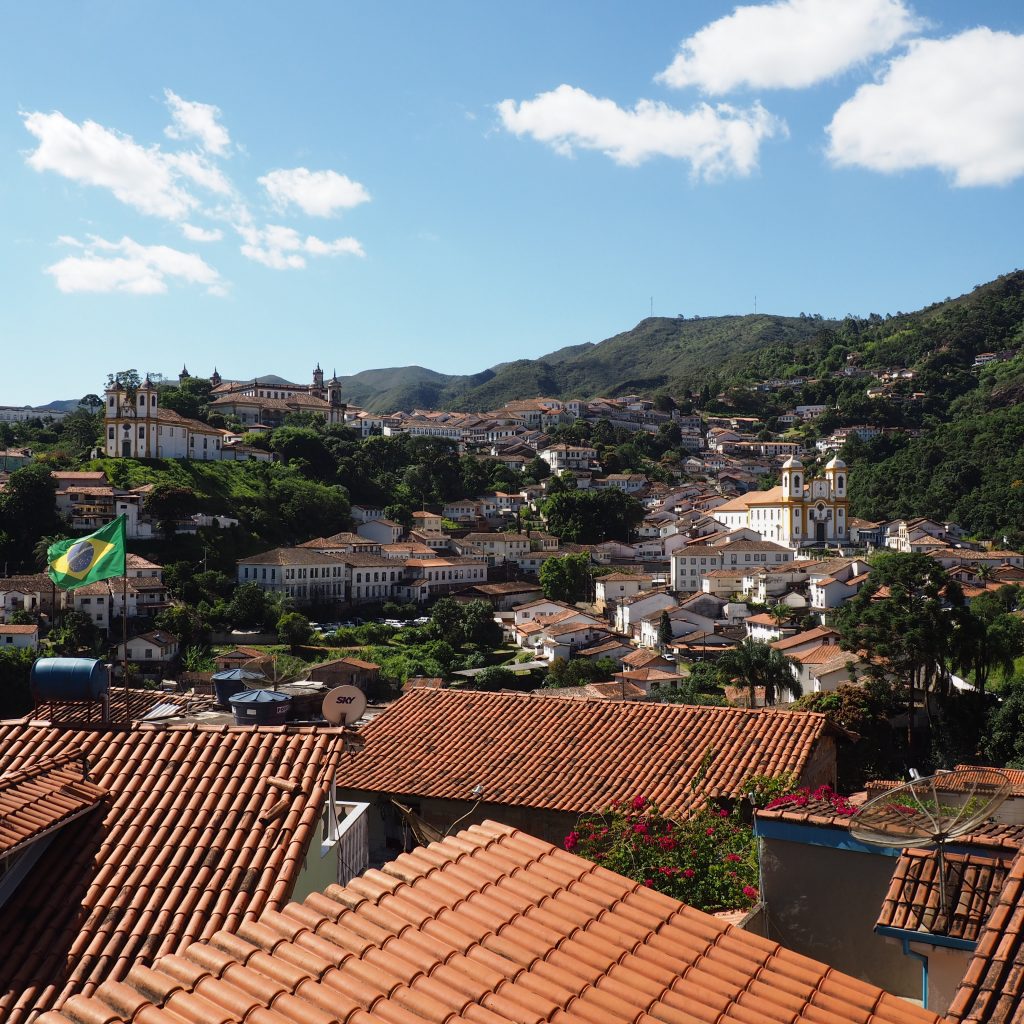
During my stay in Brasil, I travel to Minas Gerais, one of the state located north of Rio de Janeiro. Minas Gerais means « General Mines » and made is reputation in the exploitation on diverse rare minerals, gold and diamands in the past, iron, bauxit, precious stones and topaz nowodays.
Still today, part of the wealth of Minas Gerais comes from the exploitation of minerals. In mid-January, a mining dam yielded a gigantic mud-run, causing dozens of casualties next to Brumadinho. A few years earlier, a catastrophe of the same type had made many victims near Mariana.
Gold was grabed in the neighboorhod of Ouro Preto and Mariana and was transported to the South through the cities of Tiradentes and Sao Joao del Rey. It was then routed to Portugal by transiting in the harbours of Paraty or Rio de Janeiro along the « estrada real », the royal road.
Soon after the discover of gold in the end of the XVIIth century, tausend of portuguese pioneers (the « bandeirantes ») established themself in the region. During one century the gold flowed and the cities became especially prosperous. Architects and artists built an incredible amount of churches comparing to the size of the cities. Each of them is higly decorated with wooden scupltures and altars often covered with gold leaf. By this way, the colons attented to impress the many slaves torn from Africa or taken among the indigenes ; this magnifiscience deployment was supposed to encourage them to convert themself to Christianism.
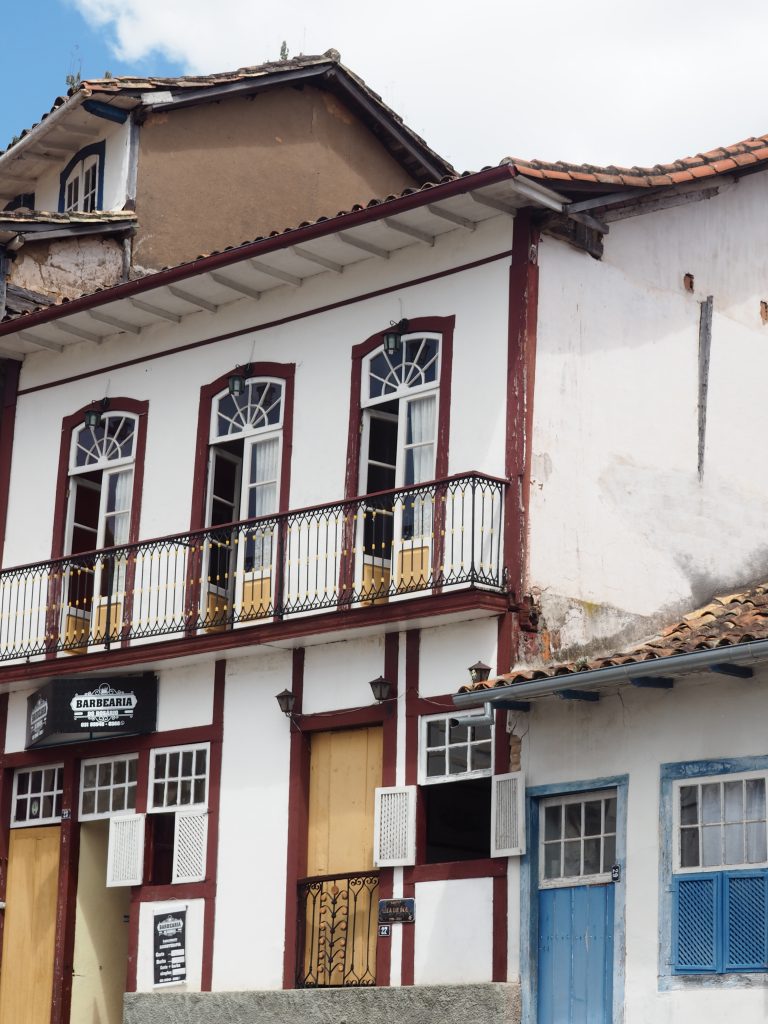
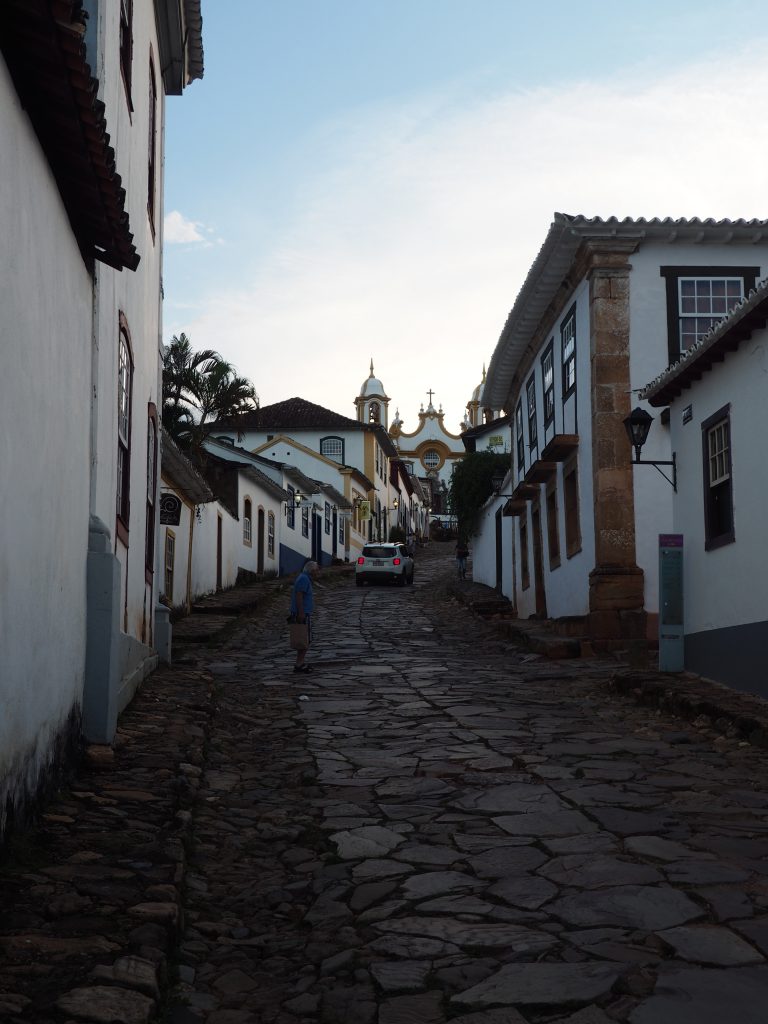
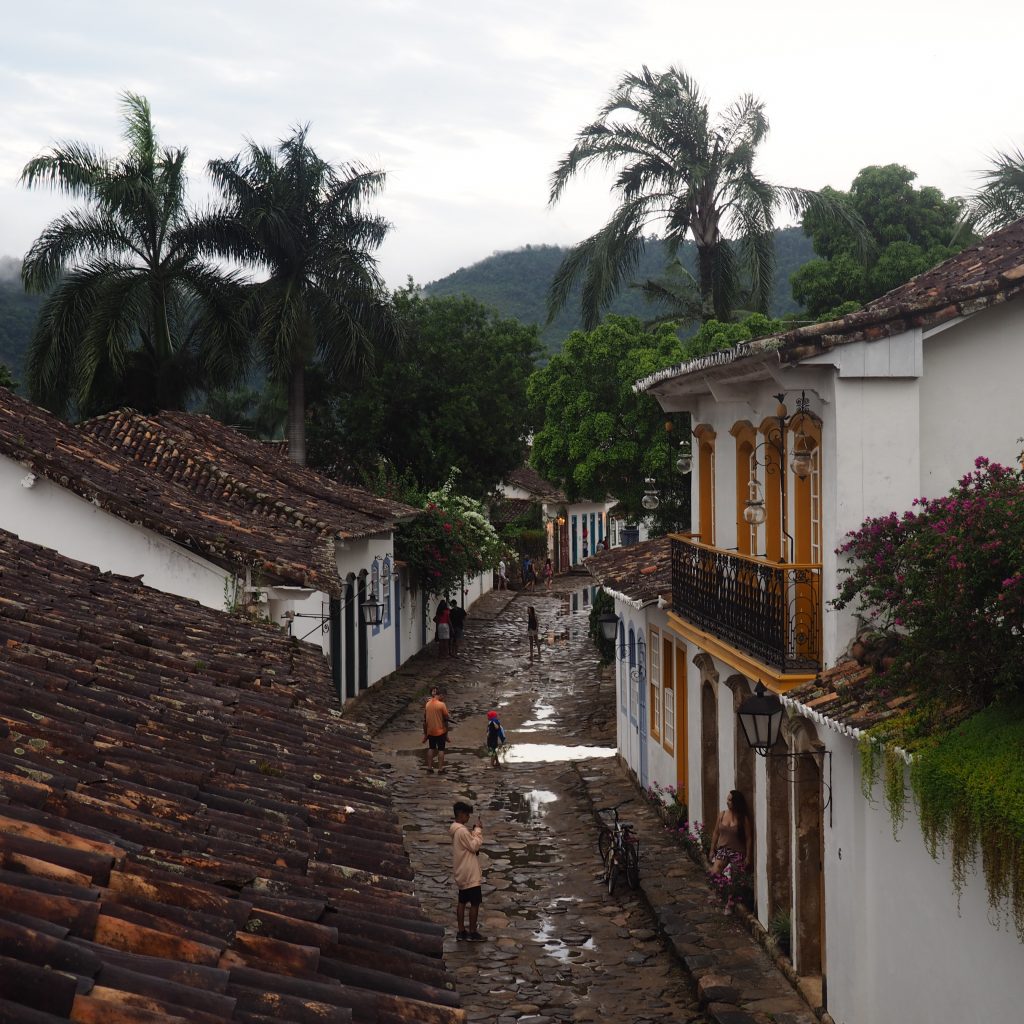
Like when I lived in Vienna, I cannot prevent myself from analyzing the architecture of a Baroque church compared to the ones of Gothic architecture, I am more familiar with.
It is still unbelievable to me that the Gothic architects had to use so much ingeniusity to bring light in the churches. The baroque churches, with a few simple round windows are much brighter… There are no stained glass windows, the light is white, more intense…
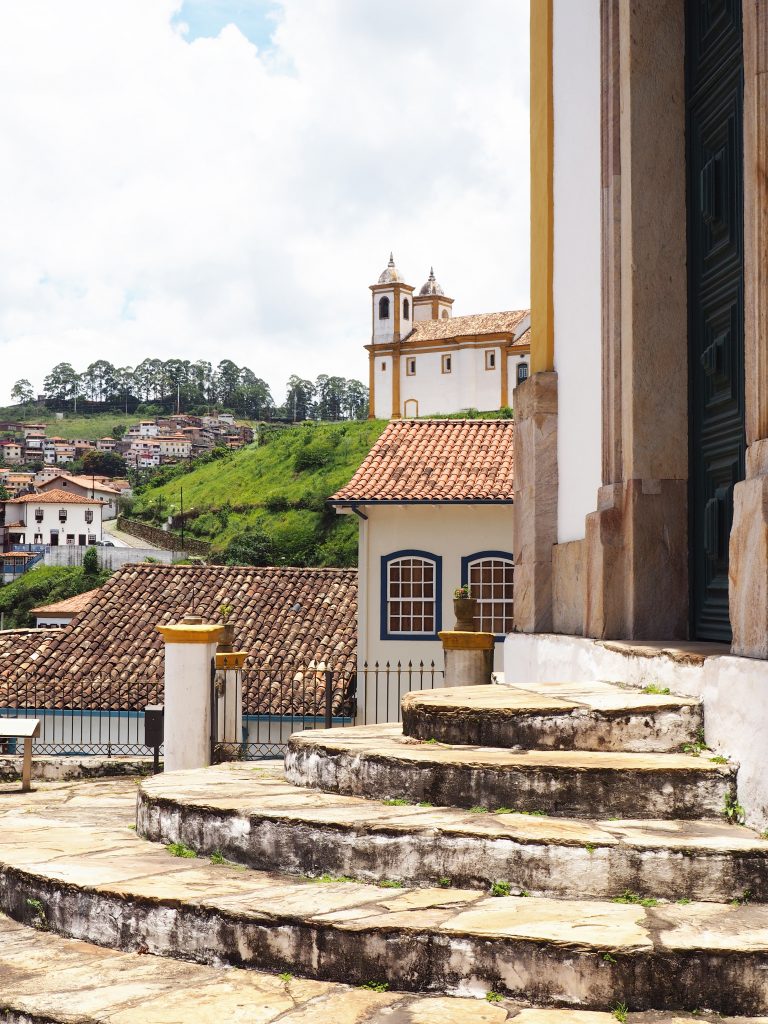
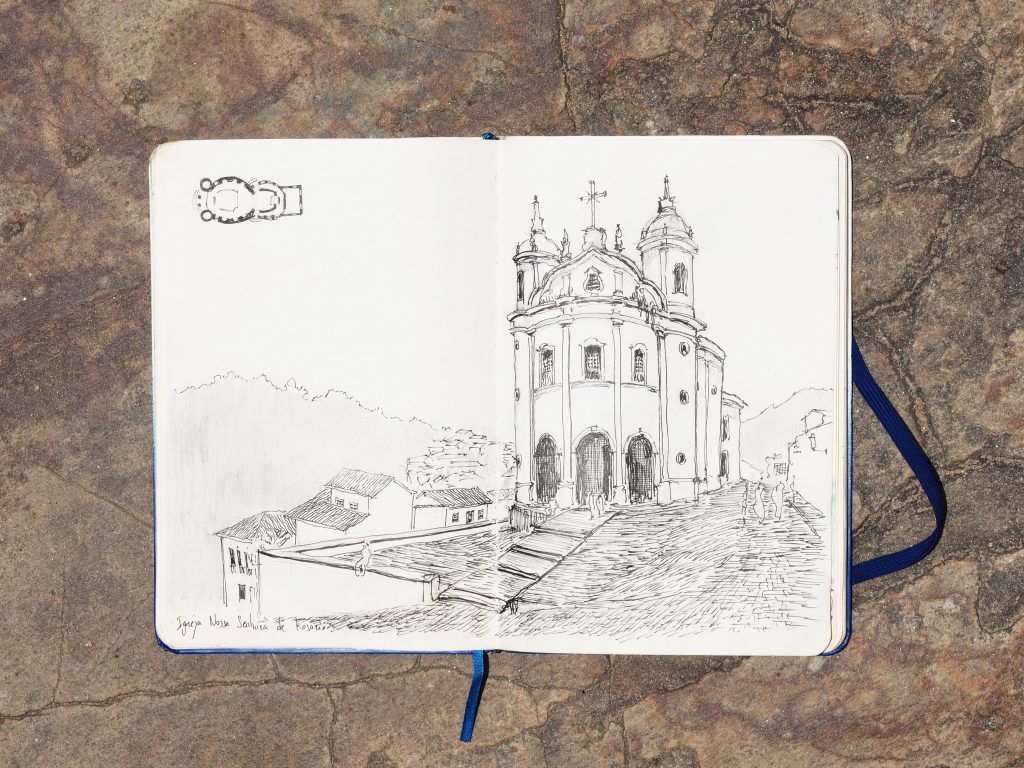
While the Gothic was looking for the architectural unity, baroque architecture the nave and the choir are clearly dissociated, whether indoors or outdoors. only the main façade is heavily decorated, the others are much more mundane, much closer to simple residential buildings.
Baroque at the architectural level is much simple. A baroque church is basicly a Romanesque church decorated.
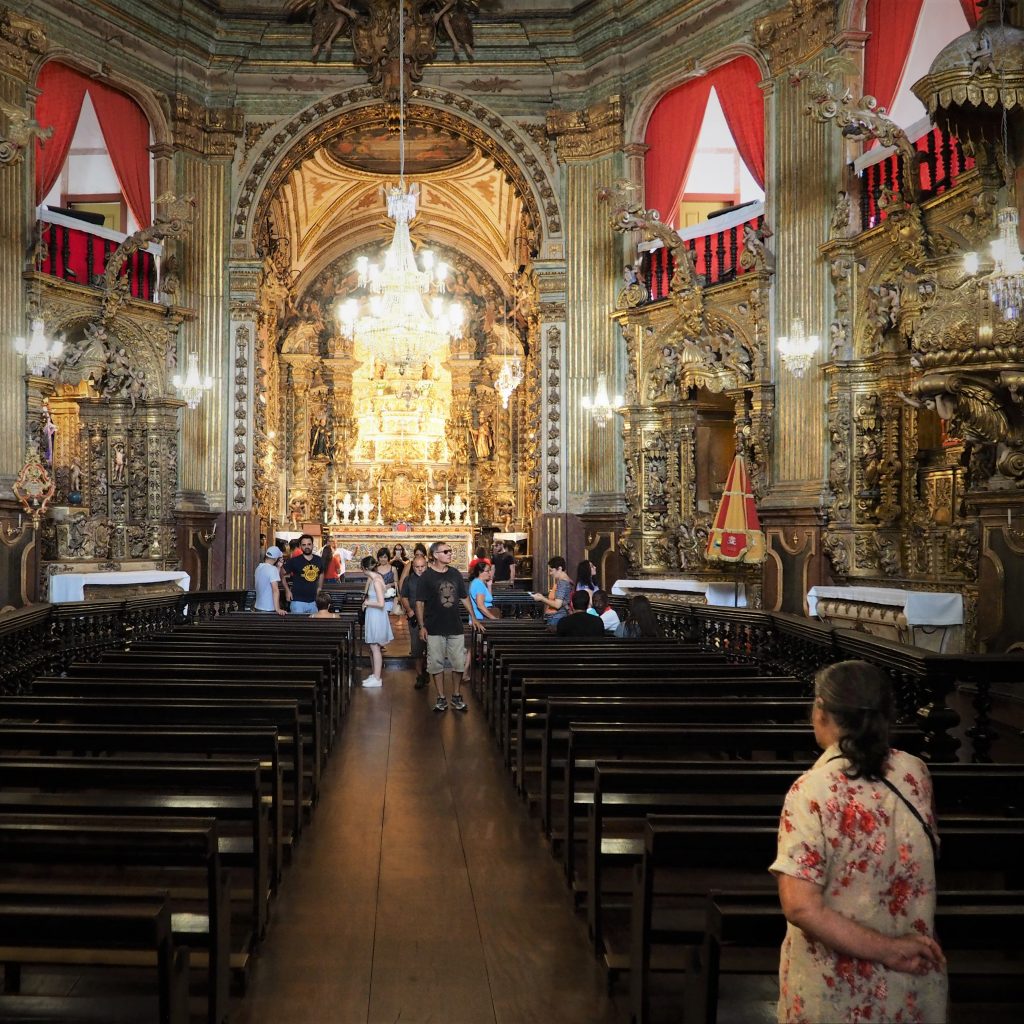
A simple white coating covers the walls so that the whole is not too dark. Artists and artisans can then work on the decoration of niches, ceilings or altars.
Covered in colours or gold leaves, they contrast with the architectural outcome. This is where the genius of many Baroque architectures rests: in the humility of their construction and the magnifiscience of the decorations.
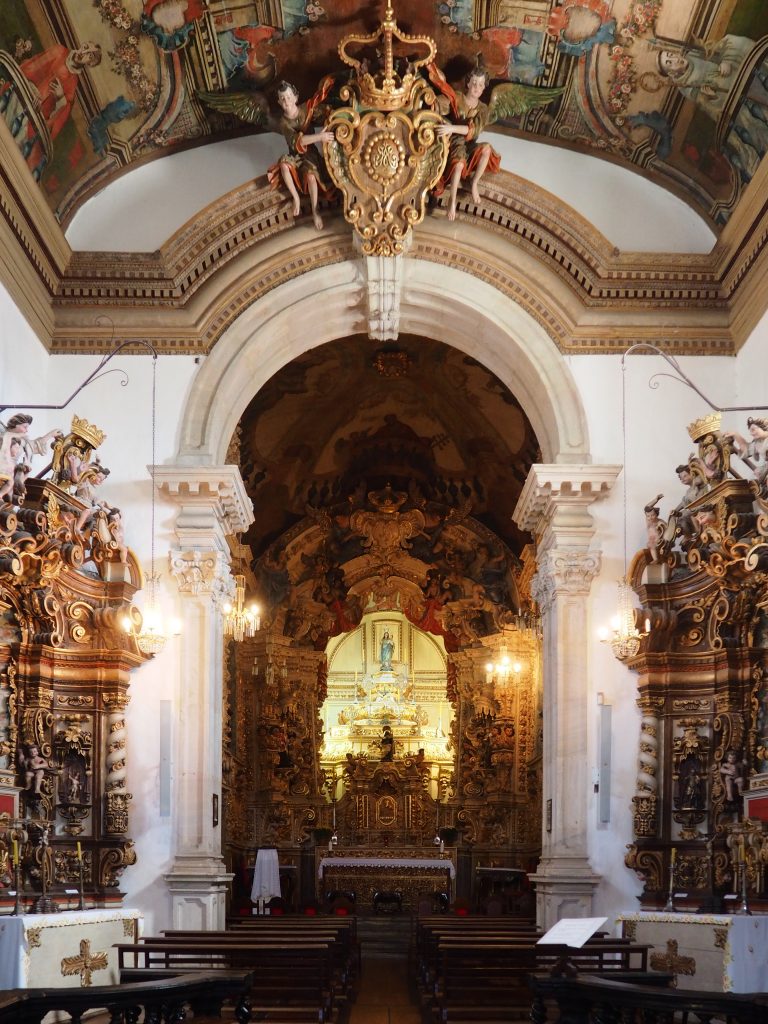
Sculptures of all sizes are interconnected. The curves are everywhere, some elements of the decorations appear to be in motion, some ceilings are painted in sham. The eye hesitates, staggers.
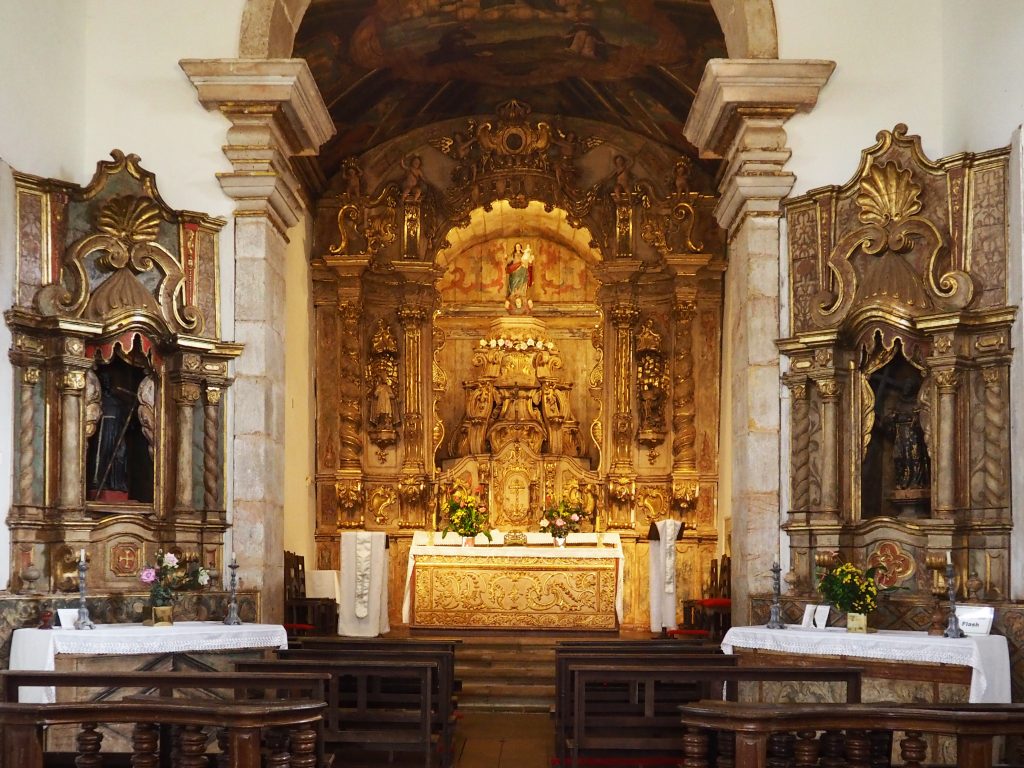
The decoration functions like on a chistmas tree. The wood, gilded with gold leaf, becomes almost a garland. It has to shine and the garlands have to be well distributed. However, there is no need to overload: In order for the motifs to remain identifiable, the background must remain visible.
Sometimes yet it feels like settlers had so much gold that they didn’t know what to do with it.
In the article « Arabesque » I had classified the decoration of Islamic architecture into three categories: floral art, caligraphique art and geometric art.
Similarly, I distinguish 3 main principles in the baroque church decoration :
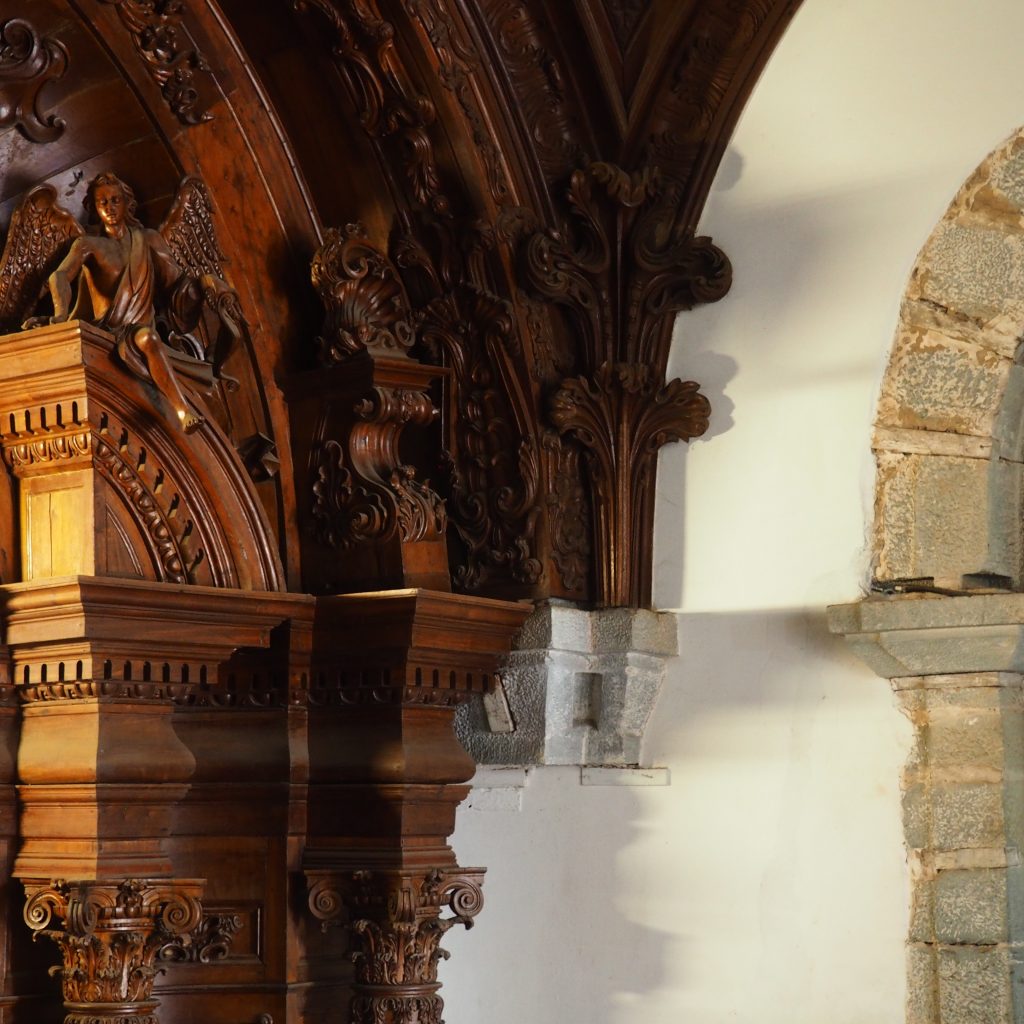
- Floral Art ( multiple flowers, Germs, scrolls or shells…)
- Representative sculptural art
- architectural references (arches, pediments, settlers, pilasters, reduced to the scale of a theatrical decorum)
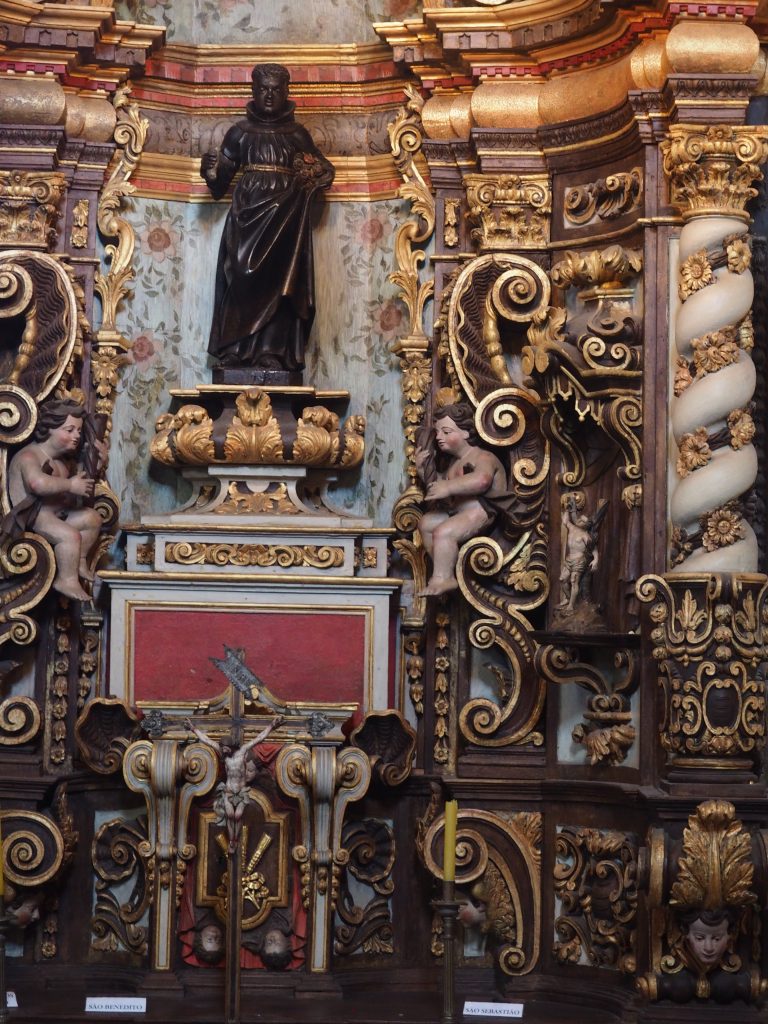
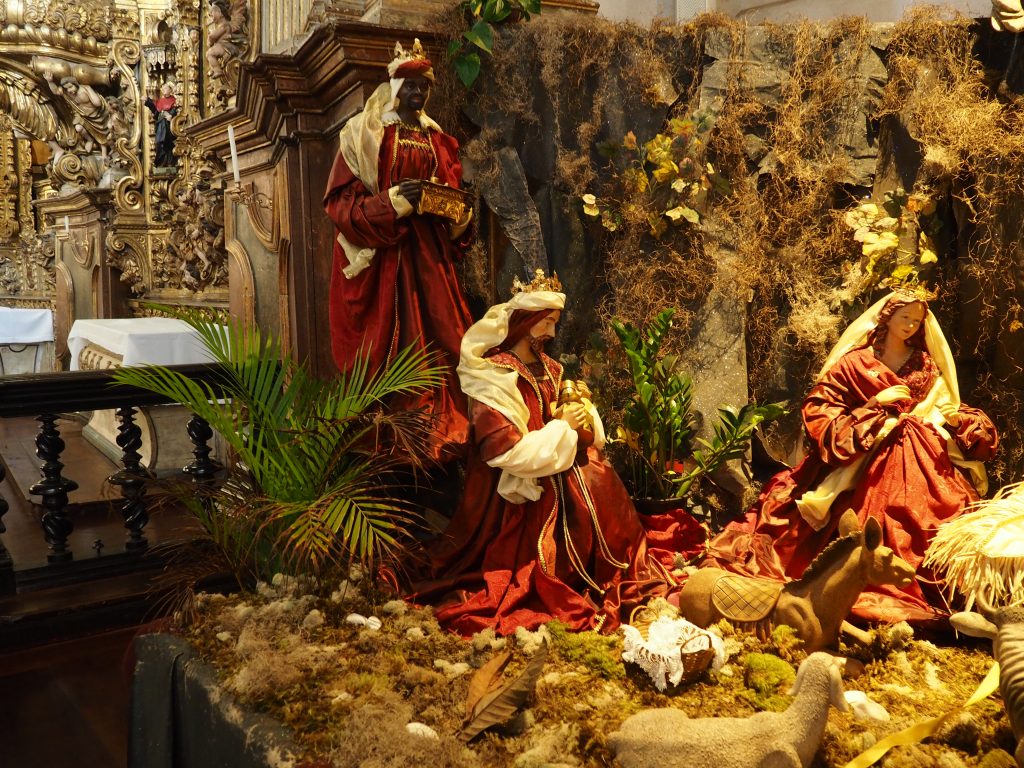
To make them look more realist, the sculptures are sometimes articulated manequins, dressed in clothes at their sizes. The manger of Christmas illustrated perfectly some baroque principles : theatrical decoration, relief, background in trompe-l’œil style, imitation of the vegetation, talkative sculptures…
Once a suggestion to accompany this article in music :Heart of Gold, Johny Cash, originaly from Neil Young :
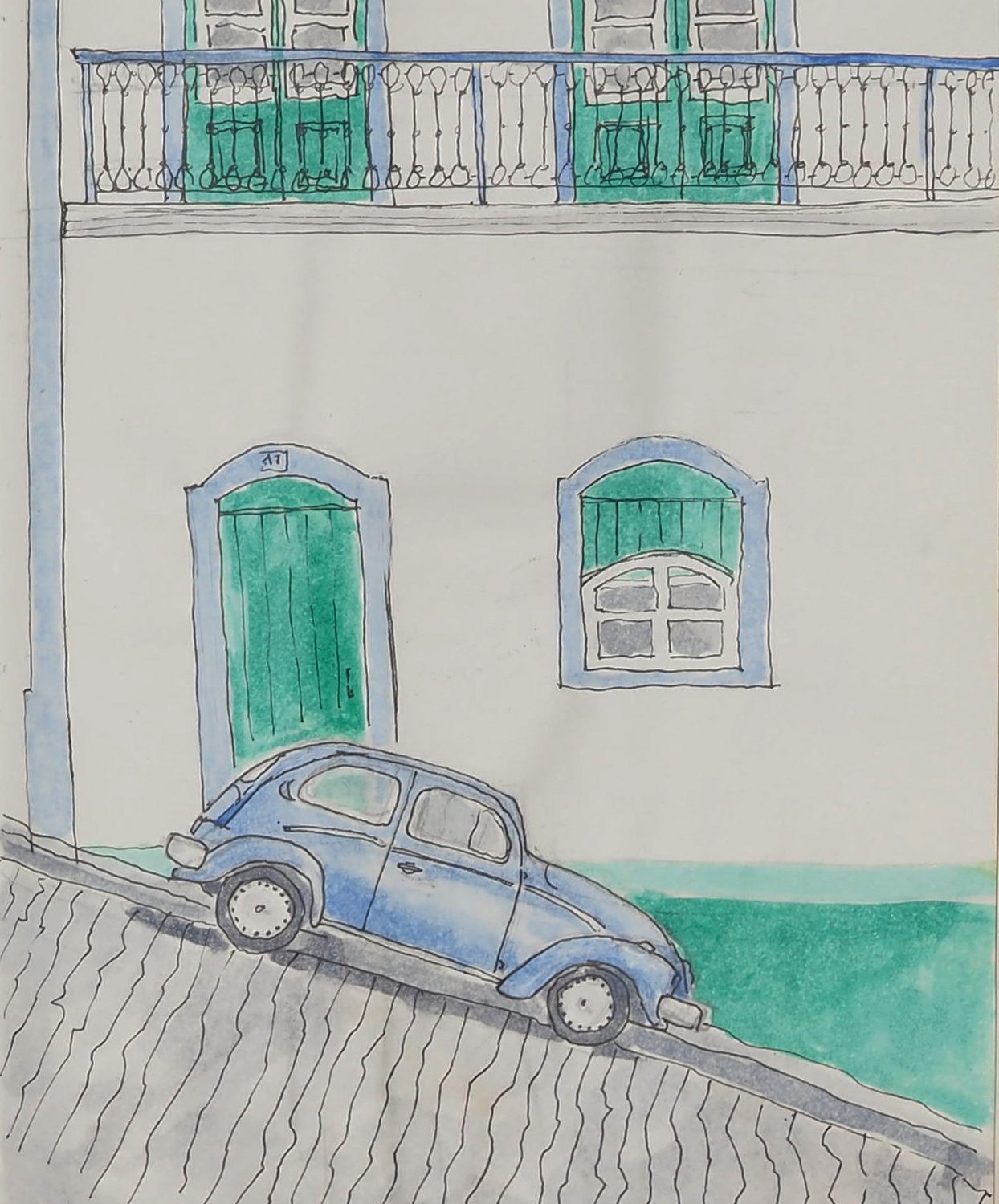
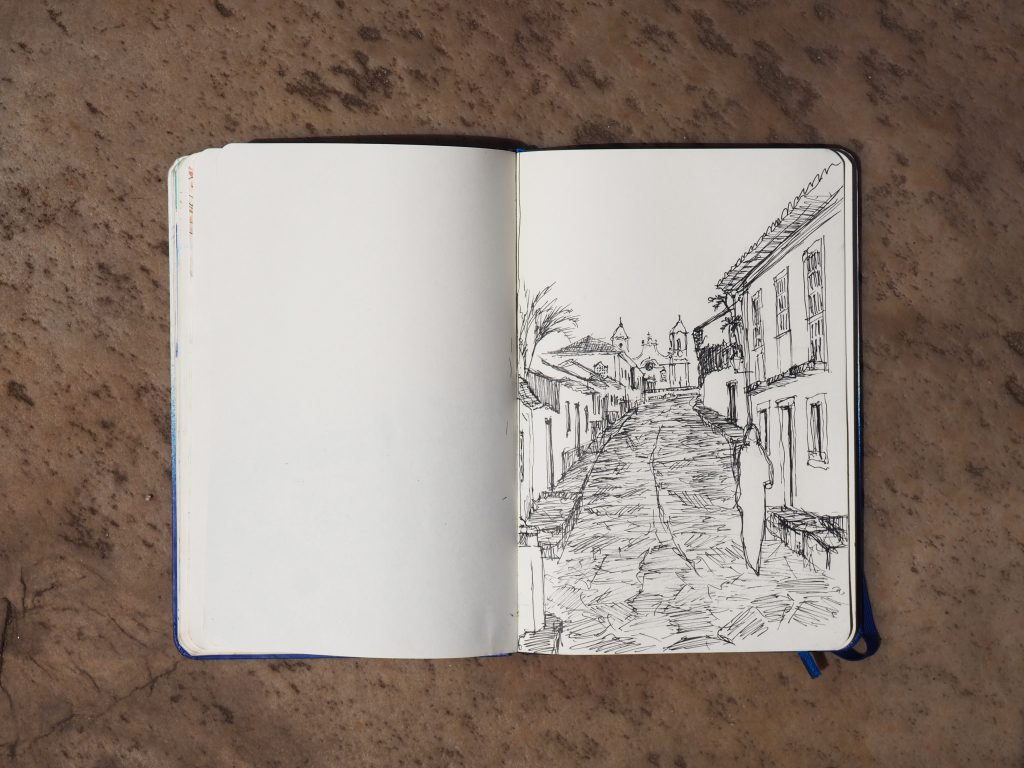
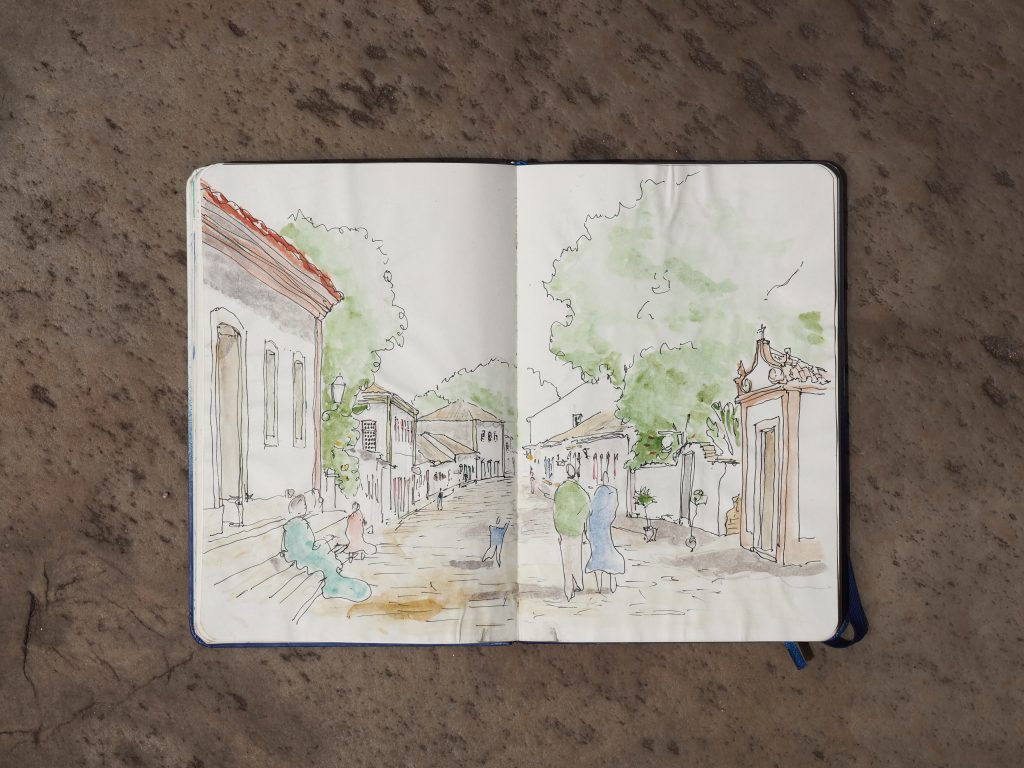
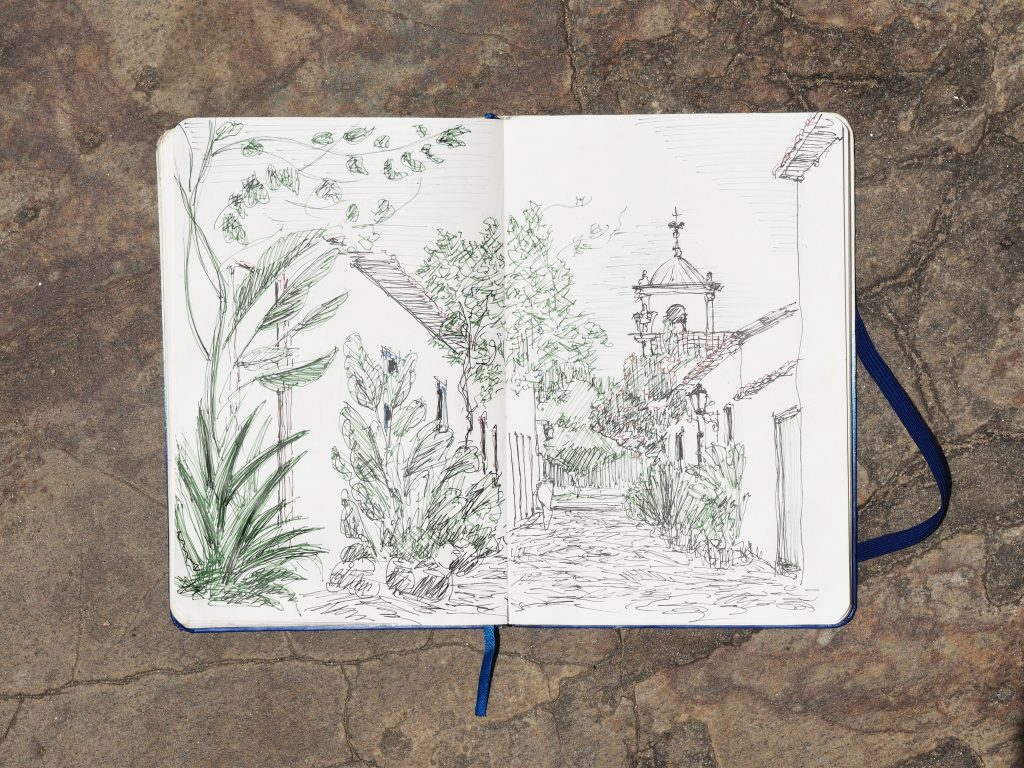
As bonus, some drawings I made during my stay :
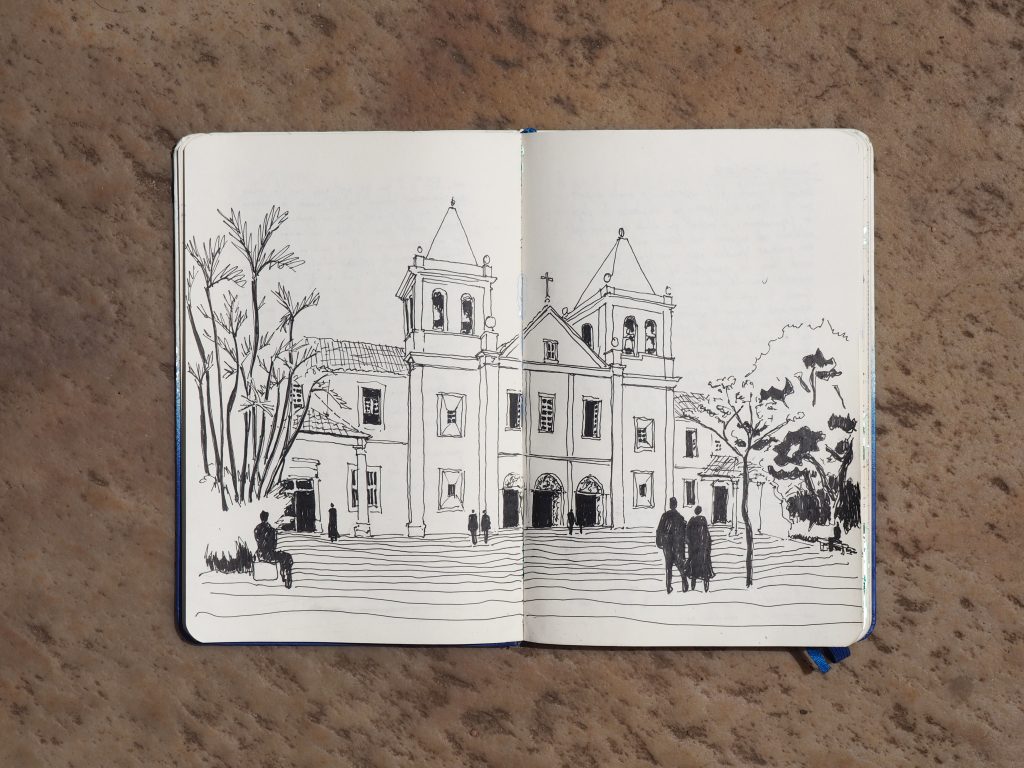
by baptiste quételart – architect / architectural reporter